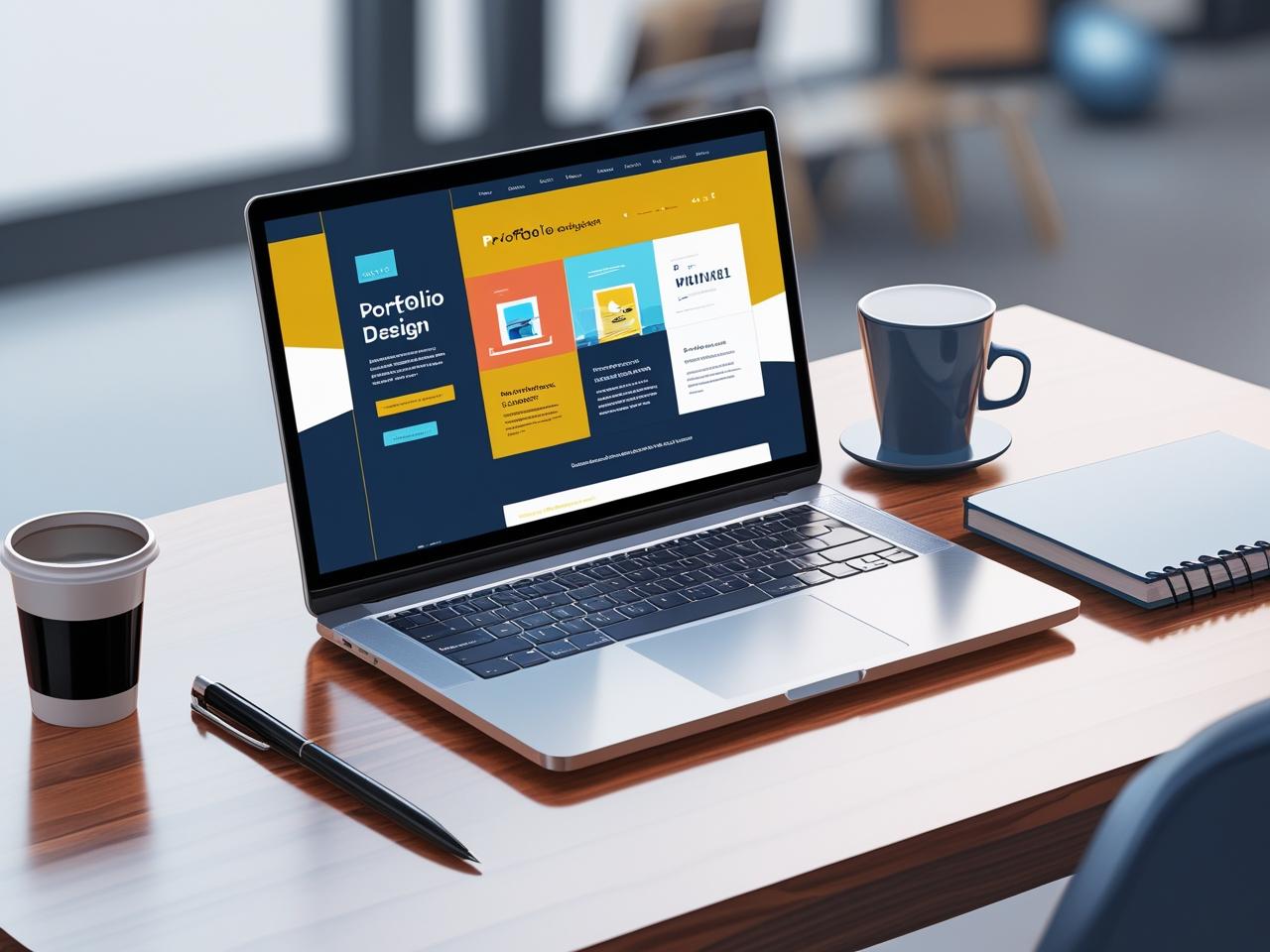
Creating a portfolio is more than just uploading a bunch of projects—it's about crafting an experience. Whether you're a designer, developer, marketer, or a multi-hyphenate who thrives in all those worlds, your portfolio should reflect not just what you do, but why it matters. Here's how to refine two foundational elements: your About page and your project showcases.
👤 Crafting a Compelling About Page
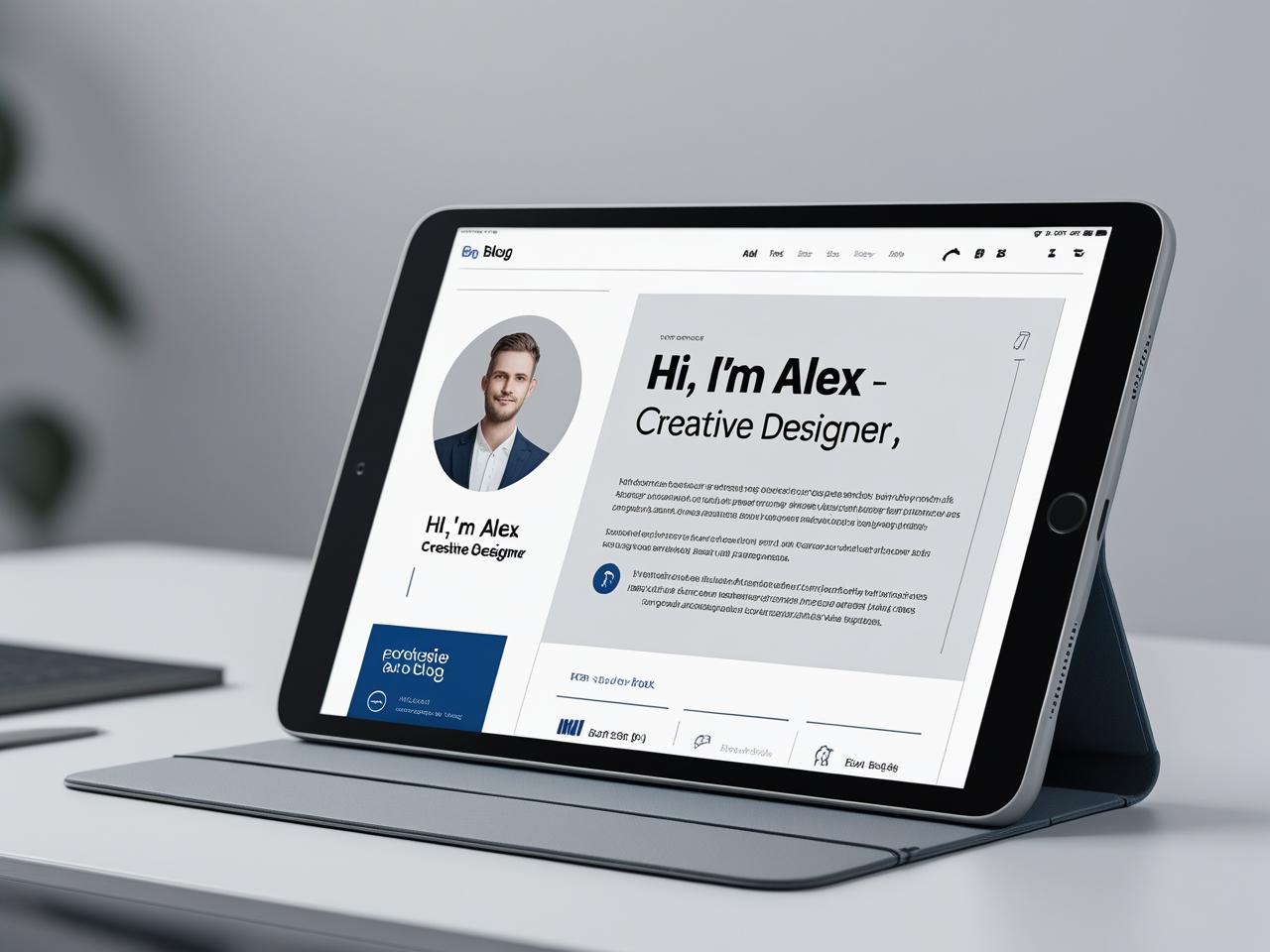
Your About page isn't just a resume in prose. It's the digital handshake, the chance to say, "Here's who I am, and here's why that should matter to you."
✨ Tips to Bring Your Story to Life:
- Start with the "why": What drives your work? A short anecdote or origin story sets the emotional tone.
- Make it conversational: Skip the stiff corporate tone. Use first person ("I design..." or "I believe...") to build connection.
- Highlight your unique mix of skills: Especially if you combine technical and creative abilities—like blending editable UI systems with emotionally driven campaign design.
- Add personal touch-points: Mention interests that influence your creative decisions (e.g., "I craft campaigns that speak to people's hearts—and their inboxes.").
- End with purpose: What are you excited to create next? Give a peek into your goals or vision.
💼 Showcasing Your Best Work
Your projects shouldn't just be listed—they should be curated with intention. Each one should answer: "Why this?" and "What did I bring to it?"
🎯 Strategies for Effective Presentation:
- Pick quality over quantity: Choose 4–6 projects that highlight your breadth, depth, and personality—not everything you've ever done.
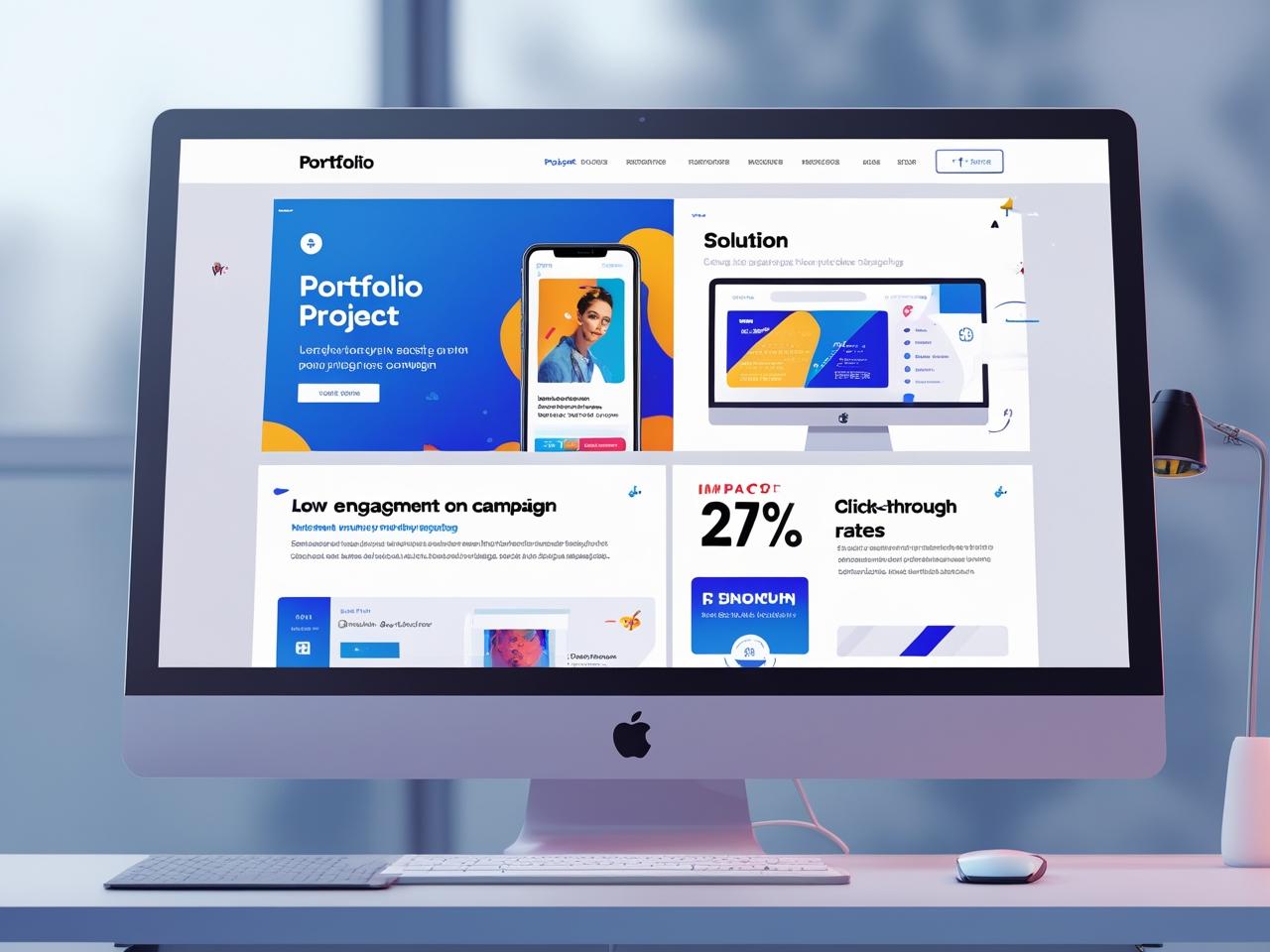
- Context is key: Include a brief problem statement for each project, then share your solution and impact. Example: "Boho Blanket's August campaign needed engagement without promo fatigue—I built an emotionally resonant story arc that increased click-throughs by 27%."
- Show progression: If you've updated projects or frameworks (like your offline-editable portfolio system), show before-and-after snapshots and describe your rationale.
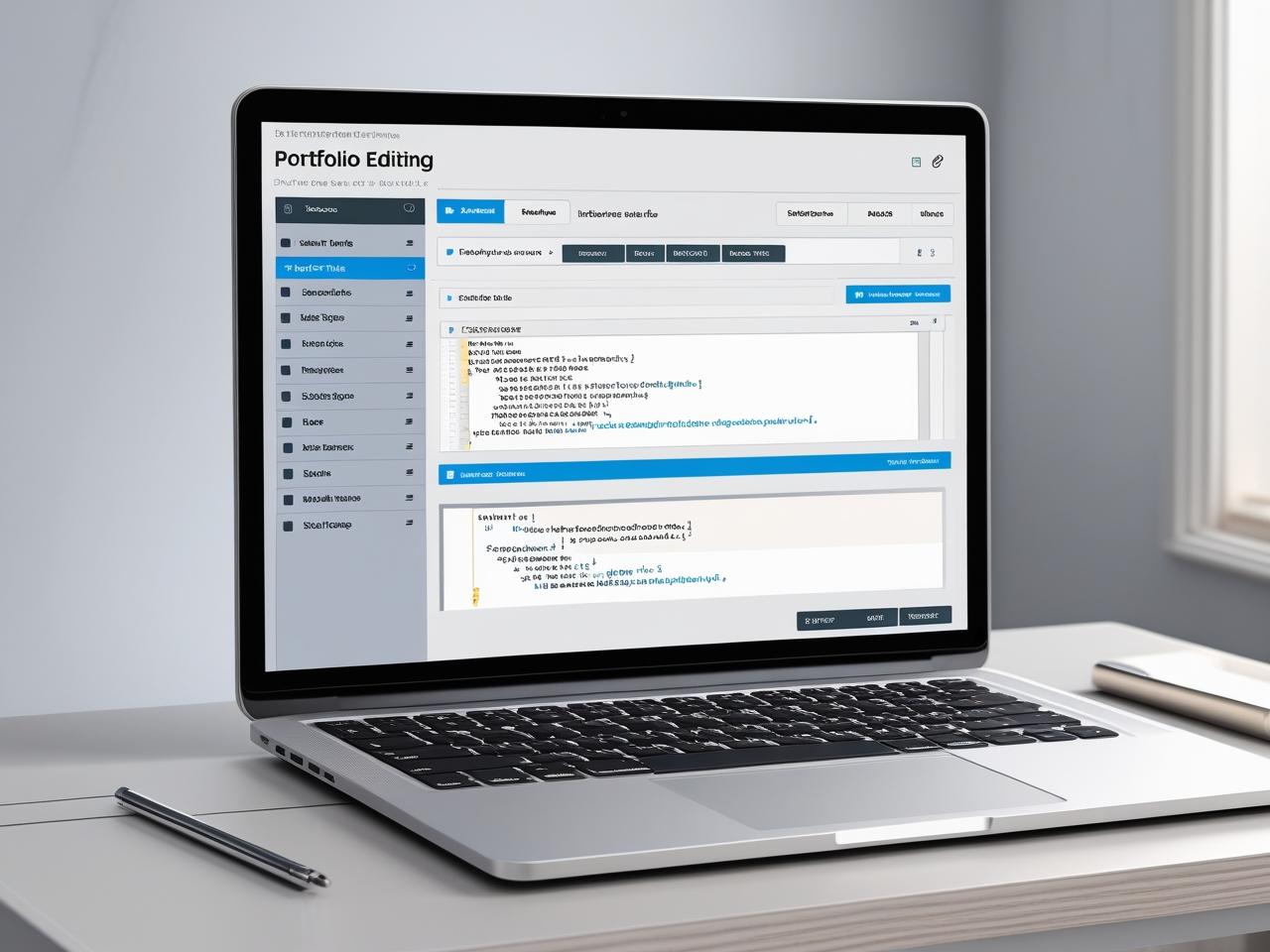
- Use visuals with UX in mind: Prioritize clarity. Consider adding JSON-editable previews so viewers can interact with the system or customize it offline.
- Include your role & process: Were you the sole designer? Did you collaborate? Break it down for transparency.
🔗 Bonus Tip: Make it Easy to Edit & Update
You already know the importance of user-empowered workflows—extend that philosophy to yourself. A portfolio that's easy for you to revise means you'll keep it fresh. Consider JSON-driven templates, local preview systems, and modular sections so future edits are frictionless.
Your portfolio isn't just a showcase—it's a conversation starter, a confidence amplifier, and your silent ambassador in the digital space. Let it speak with clarity, creativity, and character.